What Health Issues Can Arise from Mold Growth?
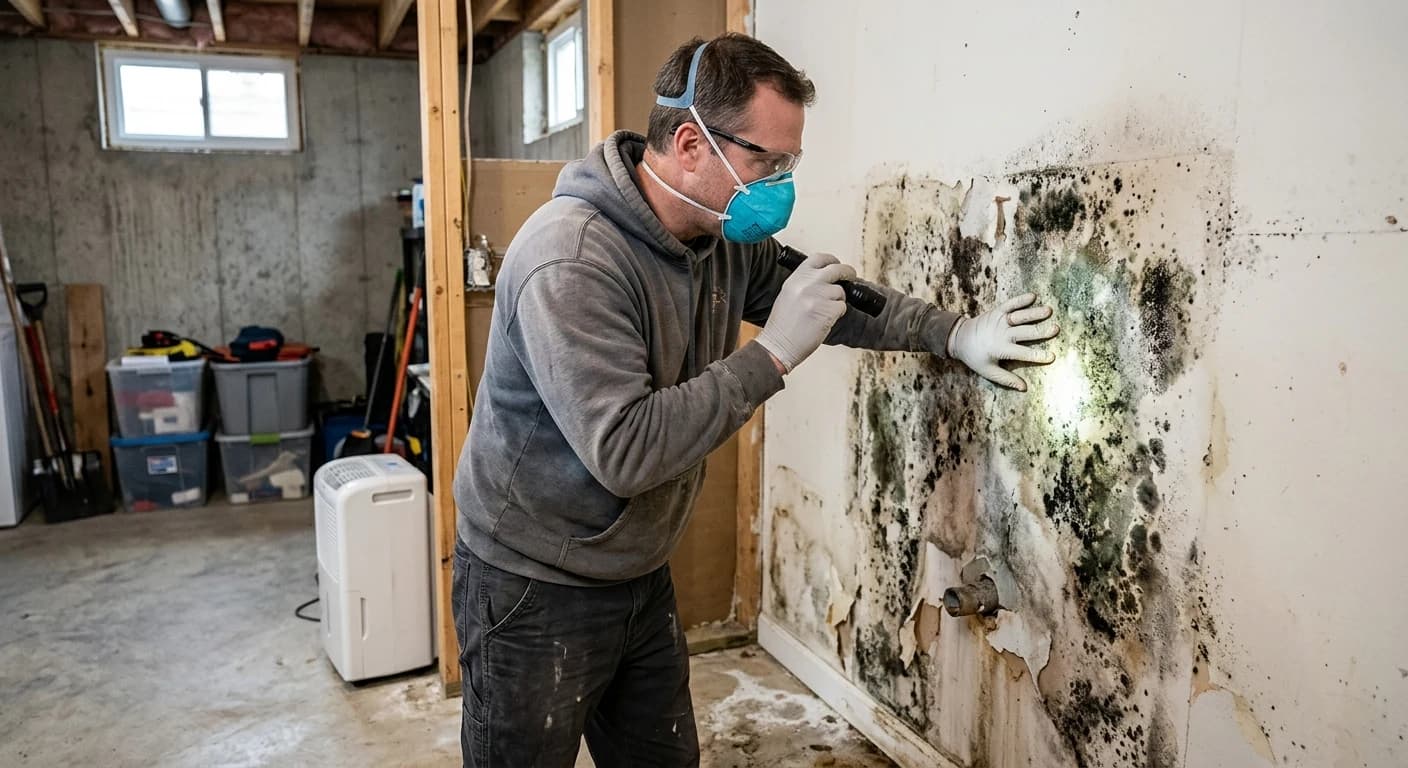
Mold growth is a common consequence of untreated water damage and can lead to significant health issues. Mold spores can cause allergic reactions such as sneezing, runny nose, and skin rashes. For individuals with weakened immune systems, children, and the elderly, the effects can be more severe. Prolonged exposure to mold can lead to respiratory problems, especially in individuals with pre-existing conditions like asthma or chronic obstructive pulmonary disease (COPD). Mold exposure has also been linked to the development of asthma in children who were previously unaffected.
To combat these issues, it's crucial to address mold problems promptly. You can start by identifying any visible mold in your home and areas with a musty odor, which often indicates hidden mold growth. Contacting professionals who can safely remove mold and prevent recurrence is essential. They use specialized equipment, such as HEPA vacuums and air scrubbers, to effectively eliminate mold spores from the air. Additionally, they can apply biocides to affected areas to ensure mold does not return. This proactive approach is vital to ensuring your Allendale home remains a healthy environment.
To combat these issues, it's crucial to address mold problems promptly. You can start by identifying any visible mold in your home and areas with a musty odor, which often indicates hidden mold growth. Contacting professionals who can safely remove mold and prevent recurrence is essential. They use specialized equipment, such as HEPA vacuums and air scrubbers, to effectively eliminate mold spores from the air. Additionally, they can apply biocides to affected areas to ensure mold does not return. This proactive approach is vital to ensuring your Allendale home remains a healthy environment.
How Does Water Damage Affect Indoor Air Quality?
Water damage can severely impact indoor air quality by introducing excess moisture, leading to mold and mildew growth. This not only produces unpleasant smells but also releases volatile organic compounds (VOCs) that can irritate respiratory systems. VOCs are gases emitted by certain solids or liquids, including the mold itself, and can contribute to headaches, dizziness, and other health issues.
Maintaining optimal indoor air quality requires regular monitoring of humidity levels; ideally, indoor humidity should be kept between 30-50%. Use hygrometers to measure humidity and ensure proper ventilation by opening windows or using exhaust fans, especially in high-moisture areas like bathrooms and kitchens. Air purifiers equipped with HEPA filters can remove mold spores and other airborne particles, while dehumidifiers help maintain appropriate moisture levels.
Furthermore, consider installing an HVAC system with integrated air purification technology, which can continuously monitor and improve indoor air quality. For comprehensive air quality solutions, explore our service options.
Maintaining optimal indoor air quality requires regular monitoring of humidity levels; ideally, indoor humidity should be kept between 30-50%. Use hygrometers to measure humidity and ensure proper ventilation by opening windows or using exhaust fans, especially in high-moisture areas like bathrooms and kitchens. Air purifiers equipped with HEPA filters can remove mold spores and other airborne particles, while dehumidifiers help maintain appropriate moisture levels.
Furthermore, consider installing an HVAC system with integrated air purification technology, which can continuously monitor and improve indoor air quality. For comprehensive air quality solutions, explore our service options.
Why Is It Important to Address Water Damage Quickly?
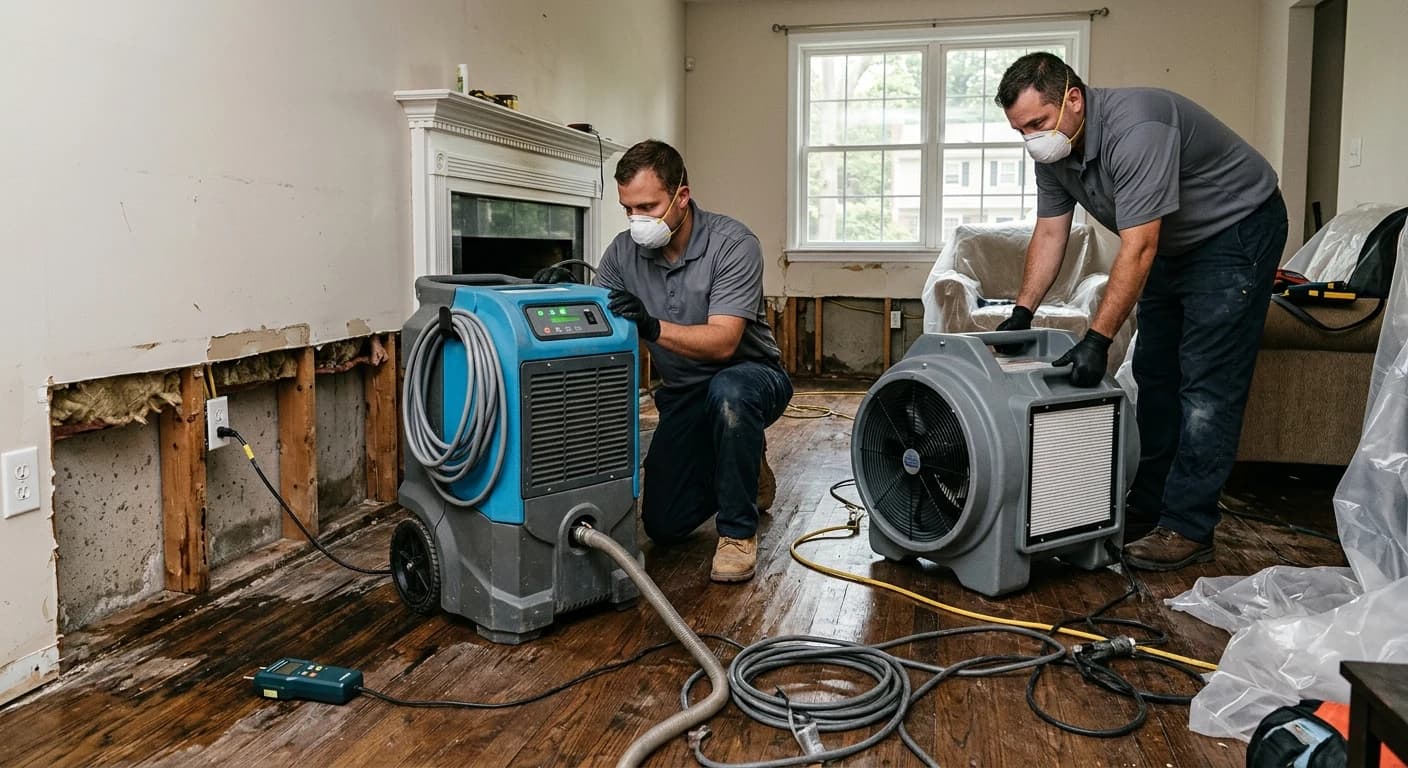
Prompt action is vital to prevent the escalation of water damage and related health risks. Standing water and damp conditions are breeding grounds for bacteria and pests, which can lead to infections and allergies. Water-damaged areas can also attract pests such as rodents and insects, which can introduce additional health risks through bites, droppings, and diseases.
Addressing water issues immediately minimizes these risks and preserves the integrity of your home. Start by identifying the source of the water damage, whether it's a leaking pipe, roof damage, or flooding, and take immediate steps to stop further water intrusion. Use wet vacuums to remove standing water and fans to dry out affected areas quickly.
In an area like NJ, where weather conditions can fluctuate, being proactive about water damage can safeguard your family's health and well-being. Regular inspections of your home's plumbing and roofing can prevent potential water damage before it starts. Investing in a sump pump can also be beneficial in areas prone to flooding. Always consult with a water damage restoration professional to assess the extent of the damage and recommend the best course of action to restore your home to a safe and healthy state.
Addressing water issues immediately minimizes these risks and preserves the integrity of your home. Start by identifying the source of the water damage, whether it's a leaking pipe, roof damage, or flooding, and take immediate steps to stop further water intrusion. Use wet vacuums to remove standing water and fans to dry out affected areas quickly.
In an area like NJ, where weather conditions can fluctuate, being proactive about water damage can safeguard your family's health and well-being. Regular inspections of your home's plumbing and roofing can prevent potential water damage before it starts. Investing in a sump pump can also be beneficial in areas prone to flooding. Always consult with a water damage restoration professional to assess the extent of the damage and recommend the best course of action to restore your home to a safe and healthy state.
What Are the Long-term Effects of Unaddressed Water Damage?
Ignoring water damage can lead to severe long-term consequences that affect both health and property. Over time, persistent moisture can weaken the structural integrity of your home, leading to costly repairs or even making the property unsafe. Wooden beams and support structures can rot, while drywall and insulation become compromised, potentially leading to partial collapses or the need for extensive renovations.
From a health perspective, prolonged exposure to damp environments can exacerbate respiratory issues and lead to chronic conditions. The constant presence of mold and mildew can cause ongoing allergic reactions and respiratory distress, especially in sensitive individuals. Moreover, damp conditions can become a breeding ground for dust mites, which are known allergens.
To prevent these long-term issues, regular maintenance and timely repairs are essential. Conduct routine inspections of your home, focusing on areas prone to moisture, such as basements, attics, and around plumbing fixtures. Seal any cracks or leaks promptly and consider waterproofing solutions for vulnerable areas. Educating yourself on the signs of water damage and responding quickly can save significant time and money, and ensure your home remains a safe and healthy environment.
From a health perspective, prolonged exposure to damp environments can exacerbate respiratory issues and lead to chronic conditions. The constant presence of mold and mildew can cause ongoing allergic reactions and respiratory distress, especially in sensitive individuals. Moreover, damp conditions can become a breeding ground for dust mites, which are known allergens.
To prevent these long-term issues, regular maintenance and timely repairs are essential. Conduct routine inspections of your home, focusing on areas prone to moisture, such as basements, attics, and around plumbing fixtures. Seal any cracks or leaks promptly and consider waterproofing solutions for vulnerable areas. Educating yourself on the signs of water damage and responding quickly can save significant time and money, and ensure your home remains a safe and healthy environment.
How Can You Prevent Water Damage in Your Home?
Preventing water damage is key to maintaining a healthy home environment. Start by ensuring your home's exterior is well-protected against the elements. Regularly clean gutters and downspouts to ensure proper drainage and prevent water from pooling near the foundation. Inspect your roof for damaged or missing shingles, which can allow water to seep in during storms.
Inside your home, check for leaks in plumbing fixtures and appliances. Replace worn-out hoses and pipes, and install water alarms near potential leak sources like water heaters and washing machines. These alarms can alert you to leaks before they cause significant damage.
Consider installing a sump pump in your basement to manage groundwater effectively, especially if you live in an area like Allendale that experiences heavy rainfall. Additionally, using moisture barriers in crawl spaces can prevent dampness from seeping into your living areas.
Regularly maintaining your HVAC system is also crucial, as it helps control indoor humidity levels and prevents condensation-related issues. By taking these preventative measures, you can significantly reduce the risk of water damage and protect your home from potential health hazards.
Inside your home, check for leaks in plumbing fixtures and appliances. Replace worn-out hoses and pipes, and install water alarms near potential leak sources like water heaters and washing machines. These alarms can alert you to leaks before they cause significant damage.
Consider installing a sump pump in your basement to manage groundwater effectively, especially if you live in an area like Allendale that experiences heavy rainfall. Additionally, using moisture barriers in crawl spaces can prevent dampness from seeping into your living areas.
Regularly maintaining your HVAC system is also crucial, as it helps control indoor humidity levels and prevents condensation-related issues. By taking these preventative measures, you can significantly reduce the risk of water damage and protect your home from potential health hazards.
What Steps Should You Take Immediately After Water Damage Occurs?
When water damage strikes, immediate action is essential to mitigate further harm to your home and health. First, ensure safety by turning off electricity in affected areas to prevent electrical hazards. If the water damage is due to a natural disaster or severe flooding, wait for professional guidance before re-entering your home.
Once it's safe to proceed, identify the source of the water damage. If it's a burst pipe or appliance leak, shut off the main water supply to stop the flow. Document the damage with photos and videos for insurance claims. Contact your insurance company promptly to report the incident and understand your coverage options.
Begin water removal using wet vacuums or mops, and set up fans and dehumidifiers to dry the area thoroughly. Remove any wet items, such as carpets or furniture, to prevent mold growth. If the damage is extensive, consider hiring a professional water damage restoration service to ensure thorough cleaning and drying.
In the aftermath, monitor the affected areas for signs of mold or structural damage. Regular inspections can help identify any lingering issues early. By taking swift and decisive action, you can minimize the impact of water damage on your home and health, ensuring a safer environment for your family.
Once it's safe to proceed, identify the source of the water damage. If it's a burst pipe or appliance leak, shut off the main water supply to stop the flow. Document the damage with photos and videos for insurance claims. Contact your insurance company promptly to report the incident and understand your coverage options.
Begin water removal using wet vacuums or mops, and set up fans and dehumidifiers to dry the area thoroughly. Remove any wet items, such as carpets or furniture, to prevent mold growth. If the damage is extensive, consider hiring a professional water damage restoration service to ensure thorough cleaning and drying.
In the aftermath, monitor the affected areas for signs of mold or structural damage. Regular inspections can help identify any lingering issues early. By taking swift and decisive action, you can minimize the impact of water damage on your home and health, ensuring a safer environment for your family.
How Does Water Damage Impact Mental Health?
The consequences of water damage extend beyond physical health and property damage, significantly impacting mental well-being. Experiencing water damage can be overwhelming, leading to stress and anxiety about the safety and financial implications of repairs. The disruption to daily life, especially if you need to temporarily relocate, can exacerbate these feelings.
Living in a home with persistent dampness or mold can also contribute to poor mental health. Studies have shown a correlation between mold exposure and symptoms of depression and anxiety, likely due to the stress of dealing with ongoing health and repair issues. The constant worry about potential health risks and property damage can lead to chronic stress, affecting overall quality of life.
To address these mental health challenges, it's important to seek support from friends, family, or mental health professionals. Sharing your concerns and experiences can alleviate some of the emotional burdens. Additionally, engaging with professional restoration services can provide reassurance that your home is being restored to a safe condition, reducing stress about the future.
Implementing preventive measures and having a clear action plan in place for potential water damage can also help ease anxiety. Knowing that you are prepared can provide peace of mind and improve resilience in the face of such challenges.
Living in a home with persistent dampness or mold can also contribute to poor mental health. Studies have shown a correlation between mold exposure and symptoms of depression and anxiety, likely due to the stress of dealing with ongoing health and repair issues. The constant worry about potential health risks and property damage can lead to chronic stress, affecting overall quality of life.
To address these mental health challenges, it's important to seek support from friends, family, or mental health professionals. Sharing your concerns and experiences can alleviate some of the emotional burdens. Additionally, engaging with professional restoration services can provide reassurance that your home is being restored to a safe condition, reducing stress about the future.
Implementing preventive measures and having a clear action plan in place for potential water damage can also help ease anxiety. Knowing that you are prepared can provide peace of mind and improve resilience in the face of such challenges.